Complete Guide to improving dust collection system performance
Maximize Efficiency: Choosing the Correct Dust Collector Filters for Your Requirements
Identifying the suitable dust collector filters is essential for optimizing system efficiency. Multiple considerations determine this choice, including dust type, airflow needs, and filter performance. Understanding the differences between bag and cartridge filters can greatly impact operational effectiveness. Consistent maintenance also serves as a critical function in longevity and performance. As firms pursue better air quality and savings, the complexities of filter determination become increasingly vital. What criteria should one assess next?
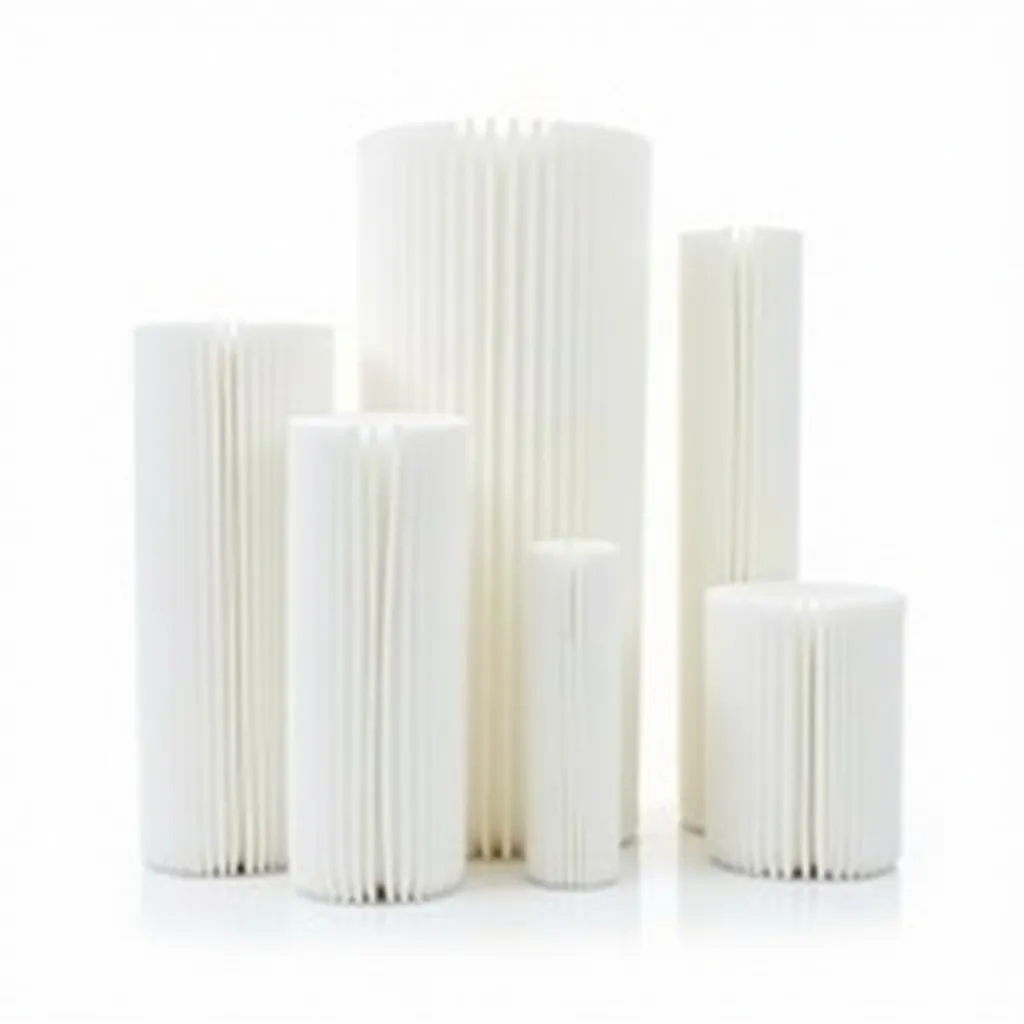
Tips for Picking the Right Dust Collector Filter
Choosing the right dust collector filter can frequently seem overwhelming. With a variety of options accessible, understanding the specific necessities of the workspace is necessary. Considerations like the type of dust generated, the air flow needing filtration, and the intended efficiency ratings significantly influence the choice process.
Moreover, the filter's compatibility with the existing dust collection system is vital to ensure optimal performance. Careful consideration should be given to the filter's service life and maintenance requirements, as these can impact operational costs.
Performance ratings and certifications can also guide users in selecting filters that meet industry standards.
Ultimately, understanding the particular use case and surrounding circumstances will lead to a more informed choice, improving the effectiveness of the dust collection system and ensuring a cleaner, safer workspace.
Bag Filtration Introduction
Bag filters play an essential role in dust collection systems, effectively capturing suspended dust and maintaining air quality in multiple industrial environments.
These strainers are typically made from woven or non-woven materials that can trap dust, strands, and other particulates. Common varieties encompass needle-punched felt and fabric weave bags, each offering distinct filtration efficiencies and operational characteristics.
Bag filters are widely used in uses spanning woodworking to metalworking, where fine dust control is critical. They can also be designed in different shapes and sizes to fit specific systems.
Regular inspection and replacement schedules are important to guarantee superior operation, as clogged filters can impede airflow and reduce system output.
The correct selection of bag filters is vital for enhancing dust capture performance.
Learn About Filter Filters
Cartridge filters serve as another viable option in dust collection systems, enhancing the role of bag filters.
The filters are engineered with a cylindrical form, increasing surface area and enhancing dust capture effectiveness. Typically constructed from pleated materials, cartridge filters are able to trap fine particles, ranging from 0.5 to 5 microns, rendering them suitable for various industrial applications.
Their compact design makes possible easy installation and maintenance, often producing lower operational costs. Additionally, cartridge filters are cleanable using pulse jet technology, prolonging their lifespan and reducing waste.
When selecting cartridge filters, considerations should include the type of dust being collected, airflow requirements, and specific industry regulations to guarantee peak performance and compliance.
Core Factors for Choosing Dust Collector Filter Components
Several essential criteria must be evaluated when selecting dust collector filters to guarantee optimal operation and efficiency.
Initially, the filter component serves a key function; alternatives range from polyester, polypropylene, and cellulose, each matching particular dust varieties and uses.
Second, the filter's effectiveness rating, often evaluated by MERV (Minimum Efficiency Reporting Value), should conform to the specific requirements of the workspace.
Furthermore, the air filter resistance needs to be evaluated, as high resistance can cause greater energy expenses and lower airflow.
The filter's size and compatibility with current machinery are important, guaranteeing proper installation and optimal functionality.
In conclusion, servicing requirements, including cleaning and replacement frequency, should be examined to lessen downtime.
How Air purification Efficiency Affects Air Quality?
How can filter efficiency influence air quality? The success rate of dust collector filters directly correlates with the particulate matter removed from the air. High-efficiency filters capture smaller particles, including allergens, dust, and harmful pollutants, thereby greatly improving indoor air quality.
When filters function at optimal performance, they minimize the re-release of contaminants, decreasing respiratory issues and other health risks linked to poor air quality.
In manufacturing facilities, the decision regarding filters can ensure adherence with health and safety regulations, determining total occupational health. In contrast, inefficient filtration options may allow toxic substances to escape into the environment, worsening air quality issues.
In conclusion, selecting the fitting filter not only enhances air quality but also promotes a more robust space for employees and the surrounding community. Ultimately, investing in advanced filters is essential for maintaining a clean and safe environment, reinforcing the importance of filter selection in dust collection systems.
How Filter Care Affects Dust Collector Filter Lifespan
Filter upkeep plays an important role in extending the durability of dust collector filters. Consistent cleaning and examination are necessary procedures that deliver maximum efficiency and boost filter longevity.
Postponing care can create excessive dust accumulation, which boosts resistance and decreases airflow. This burden can cause filters to wear out more fast, requiring ahead-of-schedule replacement.
Moreover, the type of maintenance performed—whether it includes hand washing or automated systems—can also affect longevity.
For example, improper washing techniques may harm filter media, reducing their performance.
Affordability of Dust Collector Components
Cost-effectiveness is a critical factor in selecting dust collector filters, as it substantially influences operational efficiency and budget management. Businesses must review both the initial costs and the long-term performance of filters to determine their overall value.
Higher-quality filters may have a higher initial price but can offer better filtering performance and extended durability, lowering how often you need replacements and what you spend on upkeep.
Moreover, energy demands should be considered in the cost equation; filters that facilitate enhanced air circulation can lower the energy requirements of dust collection systems.
Examining the total cost of ownership, which includes purchase, servicing, and operational costs, provides a thorough understanding of value for money.
Identifying the right filters not only meets regulatory compliance but also elevates productivity by limiting downtime and establishing cleaner work environments, further substantiating the investment.
Thus, entities should meticulously evaluate their selections to coordinate filter selection with budgetary goals and operational constraints.
Filter Picking Criteria
Choosing the appropriate filter media is vital for improving a dust collection system's efficiency. To start, one must analyze the specific types of dust generated in the workspace, as different materials demand different filtering capabilities.
It is vital to take into practical resource account the filter's micron rating; finer particles require higher-rated filters. Additionally, assessing airflow requirements helps in selecting filters that sustain peak system performance without excessive pressure drop.
Ensuring compatibility with the dust extraction model is another fundamental factor, guaranteeing a correct fit and function. To conclude, one should take into account the filter's lifespan and ease of replacement to minimize downtime.
Consistent Upkeep Practices
Maintaining a dust gathering apparatus is essential for guaranteeing optimal functionality and longevity. Frequent examination of filters is important; washing or swapping out them as required prevents blockage of airflow and maintains efficiency.
Furthermore, examining seals and ductwork for leaks can significantly improve system performance. It is advisable to arrange regular maintenance inspections, preferably each month, to tackle any potential issues before they escalate.
Operators should also observe the pressure gauge to measure filter condition exactly. Correct maintenance of the collection unit per se, including the motor and fan components, extends the system's useful life.
Applying these maintenance practices not only improves dust collection output but also supports a safer and healthier working environment. Ongoing maintenance confirms that the system operates at its optimal level, minimizing long-term maintenance expenses.
Often Asked Questions
When Should I Replace My Dust Collector Filters and how often?
Dust collector filter changes should normally occur every six months to a year, contingent upon usage and environmental conditions. Scheduled inspections and preventive care can aid in establishing the ideal replacement schedule for sustaining operational capability and efficiency.
Can Disposable Filters Be cleaned and reused?
Disposable filters aren't built for cleaning and reuse. Trying to clean these filters can compromise their effectiveness, causing reduced performance. It is advisable to swap out disposable filters regularly to guarantee top dust collection efficiency.
What Materials Are Most Suitable for Dust Collector Filters?
Synthetic fibers, pleated paper, and activated carbon are among the best materials for dust collector filters. These choices deliver superior filtration efficiency, durability, and the ability to trap fine particles, improving overall air quality in various environments.
Can you find green filtration options that are available?
Certainly, environmentally responsible filter options are obtainable, encompassing filters made from post-consumer waste, naturally decomposable fibers, and organic substances. These solutions can readily lower environmental impact while upholding filtration efficiency in dust collection systems.
How Can I Improve Filter Performance in High-Dust Environments?
To improve filter efficiency in high-dust environments, routine upkeep, selecting appropriate filter components, optimizing airflow, and installing pre-filters can greatly boost efficiency and extend the lifespan of dust gathering systems.